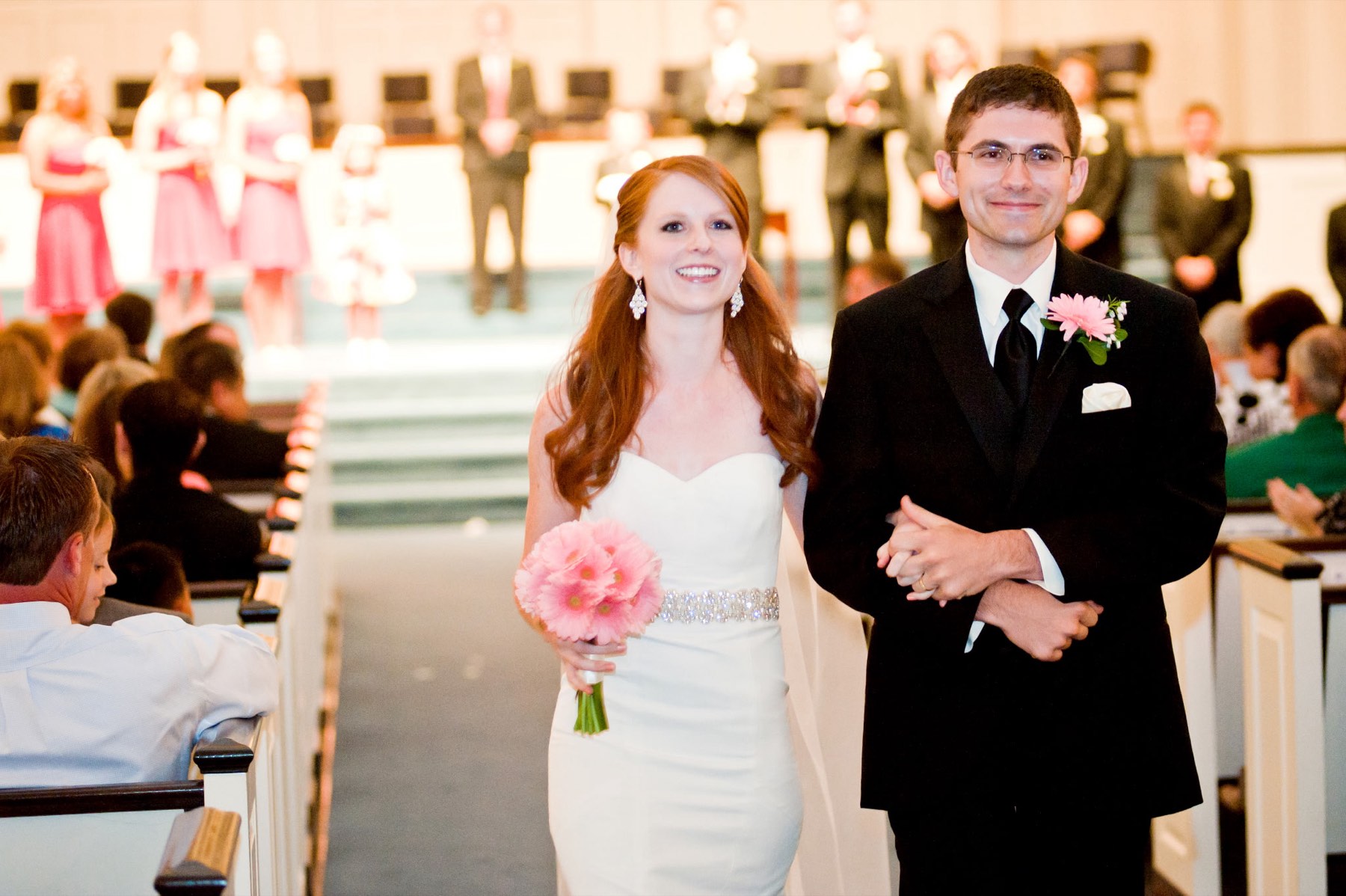
A Call to the Church
A marriage is worth saving
Steven and Melissa Diedrich made a covenant before God. We are asking two churches for one conversation.
Scroll
A Call to the Church
Steven and Melissa Diedrich made a covenant before God. We are asking two churches for one conversation.
The Covenant
When Paul says in Ephesians 5:32 that the one-flesh union of marriage is a “profound mystery,” this is coming from a man who had been taken up into the third heaven and seen things he was not allowed to retell.
Since Genesis, the marriage union has been a picture of the grace of the gospel: that Christ would seek out a bride.
From heaven He came and sought her
To be His holy bride;
With His own blood He bought her,
And for her life He died.
This is a picture of the covenant of grace, not the covenant of works. The picture is of a husband seeking out a wife (grace being undeserved, unmerited favor). Christ loved us first. He moved first. He acted first.
Marriage is not first a feeling. It is, as Jay Adams (the father of biblical counseling) puts it, “a formal (covenantal) arrangement between two persons to become each other’s loving companions for life.” A covenant does not dissolve when the feelings do.

Where Things Stand
Steven has never filed for divorce. He does not believe there are biblical grounds for one, and he has not sought one at any point.
Two things have been said that are worth answering plainly. The first is that Steven filed for divorce. He did not. The second is that he went to the courts first; this one is half true, so it deserves a careful answer. He did file first, but what he filed was a custody suit, seeking to see his children and to reach a wife who had stopped answering. He did not ask any court to end his marriage. The divorce petition was filed afterward, by Melissa, in response.
When his wife and children moved to Arizona, Steven was counseled to be patient: to pursue his wife with Christlike patience, and not to turn to the civil authorities. Though a legal remedy was available to him, and only for a limited window, he did not use it. He followed the counsel instead. He waited.
That year was quiet in the way that costs something. Calls went unanswered. Birthdays passed. He was largely unable to see his children.
He was lonely. That is a plain word, and it is the right one. Loneliness is the exact thing a marriage covenant exists to answer, which is what makes this kind of quiet different from any other kind. Steven has spent this time keeping a promise that was not being kept back to him: still praying for her, still asking after her, still calling himself her husband.
There was one counseling conversation during that time. Both sides were not heard in it.
After roughly a year of waiting, Steven filed a custody suit. He was asking for two things, and neither of them was a divorce: to see his children, and to reach his wife (who had by then declined counseling and conversation for months, and still declines it). The filing was not a move against her. It was the last door he could find that might open into a room where they could talk.
He has never asked a court to end his marriage, and he is not asking for that now.
He has asked for counseling. He has asked for a conversation. He is still asking.
This page tells one side of a story. The other side deserves to be told, and it should be told in the room we are asking for, not here, and not by us.
Companions
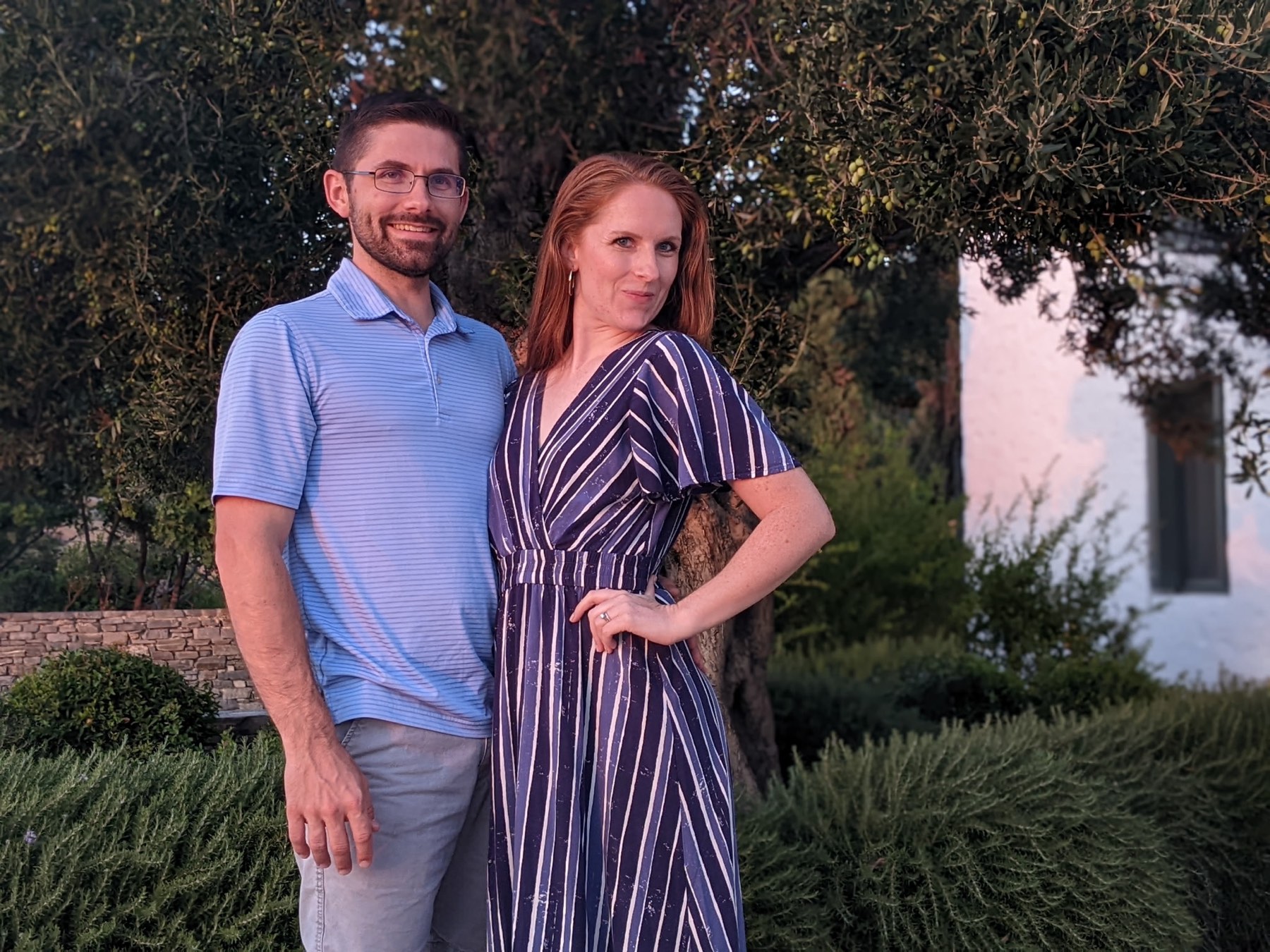
Proverbs calls the husband his wife’s companion. Malachi calls the wife her husband’s companion, joined “by covenant.” Both owe the other the same thing: a life shared, and a promise that neither will be left alone in it.
You cannot be someone’s companion from another state, through lawyers. It begins with being in the same room.
Where He Stands
Steven still loves his wife. That is not a figure of speech, and it is not nostalgia. He wants to be the husband Ephesians 5 describes: the one who lays his life down first, who moves first, who does not wait to be deserved.
He does not claim to be innocent. There has been sin in this marriage, as there is in every marriage, and he has never asked anyone to pretend otherwise about his part in it. What he asks is the thing the gospel makes possible: that repentance and forgiveness are real, that the Holy Spirit still changes people, and that a marriage can be rebuilt into something better than it was before.
Steven has never been placed under church discipline: not by either church, and not on any of the matters raised in these proceedings. He has repeatedly asked for counsel, and he remains willing to sit under the correction of elders who will hear him.
That is a man asking to be held accountable, not a man avoiding it. If there is sin to address, he is asking for the room in which to address it. Adams writes, in Marriage, Divorce, and Remarriage in the Bible, that among believers divorce is never inevitable, because reconciliation is always possible for those under the care and discipline of the church. Steven is asking for exactly that care, and exactly that discipline.
His arms are as open as Christ’s. He is waiting to receive her back.

What We Are Asking
We are not asking anyone to take sides. We are not asking any church to investigate, to render judgment, or to carry a burden it has not taken up. We are asking for something much smaller, and much more hopeful than that.
Proverbs 18:17 says, “The one who states his case first seems right, until the other comes and examines him.” That verse is the reason for the structure. An open-ended conversation can be filled by whoever is most willing to fill it; an hour each cannot. Melissa should have a full hour to say everything she wishes to say, without interruption. Steven should have the same.
Both have not yet been heard in the same room. That is all we are asking for: that both be heard, and heard equally.
What can be hurt by words? Are we not blessed as peacemakers?
“To bear all things. To believe all things. To hope all things. To endure all things. Do we hope that marriages can be saved? Love does. It always has.”
The One
These are not our words, but they are the reason we are writing. Pastor Ryan of Desert Son Community Church (the church Melissa and the children now attend) said this in a sermon:
“[Christ]’s instructing his people to go to the brother who is in sin. And in that regard, friends, you may not know it, but you’re imitating the role of the heavenly shepherd who goes out and searches after the one sheep… We must seek them out. Go and search them out. We don’t sit idly by, which is the habit of most everybody, if we were honest. Because that’s easy.”
Search and Rescue, Part 1 — Matthew 18:15–20 (emphasis ours)That is exactly right, and it is why we are writing. We can no longer sit idly by. We do not want to do what is easy. We want to search them out, with you.
Outreach has been made to both churches, and a meeting has not yet been scheduled. We remain hopeful, and we will keep asking kindly, because we believe the church that will one day judge angels is more than sufficient for a matter of this size (1 Corinthians 6:2).
Will You Help?
None of these takes long, and each of them matters. If you only do the first one, that is still a real help.
One
Pray for Steven and Melissa, for their children, and for the elders of both churches who are weighing this. Pray for softened hearts on every side, including ours. This is not the least you can do; it is the first thing, and the thing everything else depends on.
Two
If you know Melissa and have her number, call her. Be a friend first; she is going through something painful and deserves people who genuinely love her. Listen well.
Then ask her to take the meeting. Not to concede anything, not to agree to anything, and not to decide anything in the room, only to sit down for two hours with her elders present, with one uninterrupted hour for each of them to speak. Kind listening alone has not moved this forward. Someone she trusts asking her, gently and directly, might.
Three
Below are two short messages, one for each church. Open either one in your email app, add your name, and send it; the addresses are already filled in. If you would rather write your own words, please do: they will be better than ours.
Choose a church:
A conversation is still possible today. Every week that passes makes it harder, and there will come a week when it is no longer available at all. If you are going to write, please write this week.
And please write kindly. These are shepherds carrying real burdens, and a gracious word will do far more good than a sharp one.